

Bitcoin fell sharply on Thursday, slipping below the psychologically important $84,000 level as a broad, tech-led selloff swept across global financial markets. The decline wasn’t isolated to crypto alone. U.S. equities, particularly technology stocks, weakened significantly, while precious metals such as gold and silver retreated from recent record highs signaling a synchronized “risk-off” move by investors.
By late U.S. trading hours, bitcoin was hovering near levels last seen earlier in the year, marking one of its steepest single-day drops in recent months. The broader cryptocurrency market followed suit, with total market capitalization sliding below the $3 trillion mark after briefly holding above it earlier in the week.
A Sharp Crypto Pullback Fueled by Liquidations
One of the defining features of the move was the scale of forced liquidations. As prices broke below key technical levels, leveraged long positions were rapidly unwound. Market data showed more than $1 billion worth of crypto positions liquidated within 24 hours, the majority coming from traders who had been betting on higher prices.
Bitcoin alone dropped nearly 6% on the day, while Ethereum slipped back under $2,800. Major altcoins were hit even harder—Solana fell to around $115, its lowest level in roughly nine months, while XRP drifted toward the $1.75–$1.80 zone, close to one-year lows. Market breadth remained weak, with only a handful of niche tokens posting gains over the past week.
This kind of liquidation-driven move is not new to crypto markets. Similar cascades have occurred during past macro shocks, when excessive leverage meets sudden changes in sentiment. Once stop-losses are triggered and margin calls accelerate, prices can fall faster than fundamentals alone would suggest.
Tech Stocks Lead Wall Street Lower
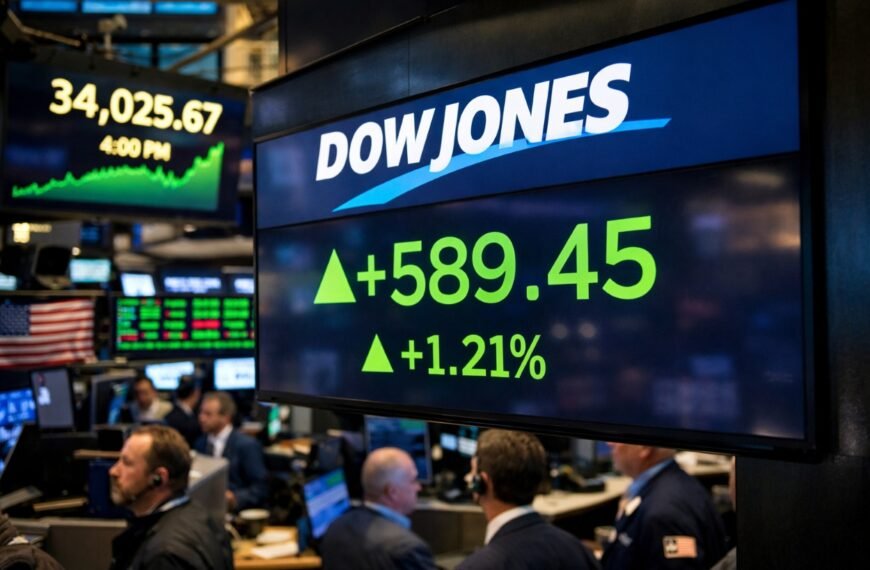
The crypto downturn closely mirrored losses in U.S. equities. Technology stocks led the decline following disappointing earnings and cautious forward guidance. Shares of Microsoft suffered a double-digit percentage drop, marking their worst single-day performance since the early pandemic period. The weakness spread across the broader software and semiconductor sectors, dragging major indices lower.
POV crypto investors, this correlation matters. Over the past few years, bitcoin and other digital assets have increasingly traded in line with high-growth tech stocks, particularly during periods of monetary tightening or economic uncertainty. When equity investors rush to reduce risk, crypto often feels the impact almost immediately.
Gold and Silver Retreat From Record Highs
Precious metals, which had been standout performers in recent weeks, also reversed sharply. Gold briefly surged beyond $5,500 per ounce an all-time high before pulling back toward the $5,200–$5,300 range. Silver experienced even more dramatic volatility, tumbling from near $121 per troy ounce to close to $108 within hours, before staging a partial recovery.
The pullback doesn’t necessarily invalidate the longer-term bullish case for metals. Instead, it reflects short-term profit-taking after a rapid run-up, combined with investors raising cash amid broader market stress. Historically, such synchronized selloffs where even traditional safe havens dip often signal a temporary scramble for liquidity rather than a fundamental shift in long-term demand.
Political Risk Adds to Market Uncertainty
Adding to the cautious mood was renewed political risk in Washington, D.C. Lawmakers failed to advance a procedural vote on a government funding package, reviving fears of another U.S. government shutdown. Previous shutdown episodes have coincided with heightened market volatility, and crypto has not been immune.
During an earlier shutdown cycle, bitcoin prices fell by roughly 15% over a similar time frame. A comparable move from current levels would place bitcoin closer to the $70,000 region a scenario some traders are now factoring into their downside risk models.
U.S. Crypto Regulation Back in Focus
Despite the market turbulence, regulatory developments in the United States remain a key longer-term driver. Leaders from the U.S. Securities and Exchange Commission and the Commodity Futures Trading Commission recently outlined a joint initiative informally referred to as “Project Crypto” aimed at preparing both agencies to implement comprehensive digital asset legislation once Congress passes it.
The effort is tied to proposed frameworks such as the Clarity Act and the Digital Commodity Intermediaries Act, which seek to define regulatory responsibilities more clearly, strengthen consumer protections, and provide legal certainty for crypto markets. While such initiatives are generally seen as positive for long-term adoption, they can introduce short-term uncertainty as investors wait for concrete outcomes.
Why Bitcoin Is Still Holding Investors’ Attention
Even after the drop, bitcoin remains only modestly lower on a year-to-date basis, highlighting its resilience compared with many traditional assets during periods of stress. Long-term holders continue to view pullbacks as part of bitcoin’s natural market cycle rather than a breakdown of its broader thesis.
From a macro perspective, several factors still support crypto over the medium to long term:
- Institutional participation continues to grow, with regulated products improving access.
- Monetary policy uncertainty keeps alternative assets in focus as hedges.
- Regulatory clarity, while slow, is progressing compared to previous years.
- Network fundamentals, such as hash rate and adoption metrics, remain strong.
Outlook: Volatility Likely to Stay Elevated
Looking ahead, volatility is likely to remain elevated across crypto, equities, and commodities. Investors are balancing multiple forces at once corporate earnings, geopolitical tensions, U.S. fiscal negotiations, and evolving crypto regulation. In such an environment, sharp price swings can occur even without a single dominant catalyst.
For traders, risk management and position sizing remain crucial, especially given the speed at which liquidations can accelerate losses. For long-term investors, periods like these often serve as stress tests that reveal which assets and strategies are built to endure.
Summary
bitcoin’s drop below $84,000 reflects more than just crypto-specific weakness. It underscores how interconnected global markets have become, where shifts in risk appetite can ripple simultaneously through stocks, metals, and digital assets. Whether this move proves to be a temporary shakeout or the start of a deeper correction will depend on how macro and policy factors unfold in the days ahead.


 By
By